Facial plastic surgery in Salt Lake City, Utah
Insights, timelines, details, and more.
Request a ConsultationSeptoplasty — commonly called deviated septum surgery — is a functional surgical procedure that straightens the nasal septum, the wall of bone and cartilage that divides the two nostrils. When the septum is deviated, or bent, it narrows one or both nasal passages and obstructs airflow. Septoplasty repositions and trims that wall from inside the nose to open the airway and improve breathing. It does not change the outer shape of the nose. Dr. James Manning performs the procedure in Salt Lake City, Utah.
Septoplasty works by correcting the structural framework inside the nose. The septum is the central wall — part bone, part cartilage — that should run straight down the middle and split the airway into two even channels. When it is deviated to one side, air has to squeeze through a narrowed passage, which is felt as congestion or blockage on that side.
The procedure is performed entirely through incisions inside the nostrils — there is no external incision and no visible scar. The lining over the septum is lifted, the bent portions of bone and cartilage are straightened, repositioned, or removed, and the lining is laid back down over a now-straight wall. Septoplasty is frequently combined with turbinate reduction — the turbinates are the structures on the side wall of the nose that warm and humidify air, and they often enlarge to compensate for a deviated septum, adding to the obstruction.
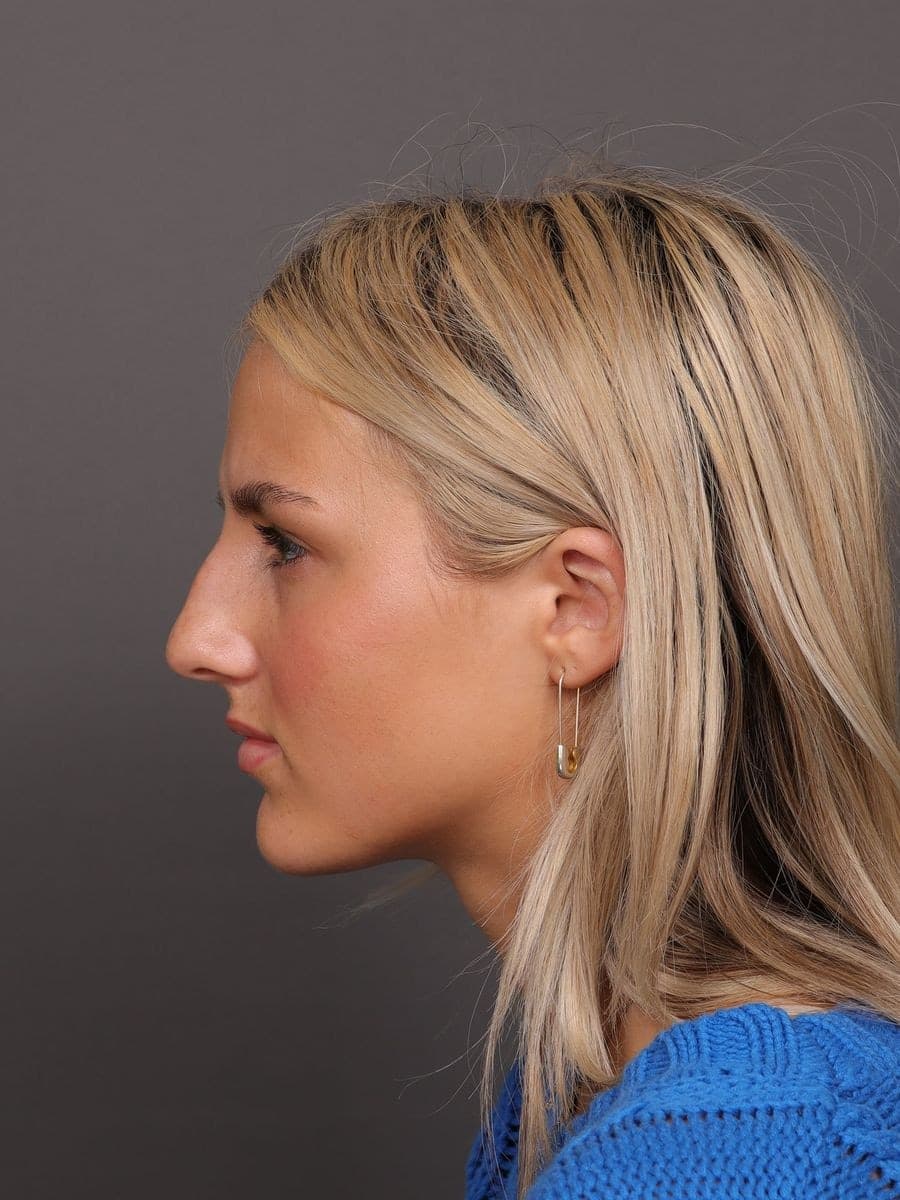
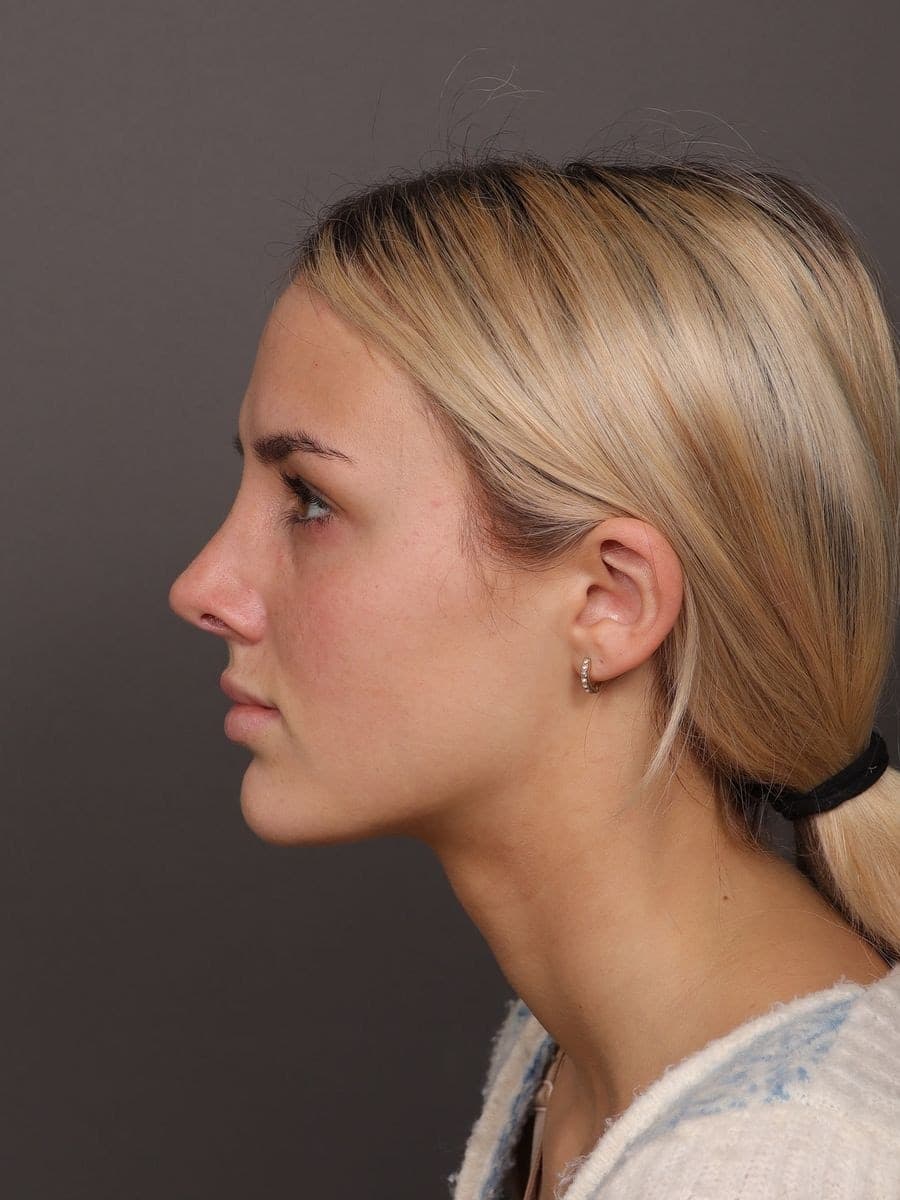
Because all of the work is internal, the external shape of the nose is left alone.
Good candidates for septoplasty are patients with a deviated septum causing persistent nasal obstruction — difficulty breathing through one or both sides of the nose, chronic congestion that does not fully clear, recurrent sinus infections, mouth-breathing or disrupted sleep, or snoring linked to a blocked nasal passage. Most candidates have already tried medical management — nasal steroid sprays, antihistamines, decongestants — without lasting relief.
Candidates should be in good general health, and for younger patients, the septum should be fully developed — typically by the mid-to-late teens. Because septoplasty corrects a structural problem rather than an aesthetic one, it is a functional, medically indicated procedure and may be covered by insurance. Coverage depends on your specific plan and is reviewed individually — we do not promise a particular outcome with any insurer.
If the obstruction comes from a structural deviation, septoplasty is the procedure that addresses it. If it comes from allergies or inflammation alone, it may not — which is why the evaluation matters.
The difference comes down to one question: function, appearance, or both. Function and appearance are separate problems, and the right procedure is the one that matches what you actually need.
| Septoplasty | Septorhinoplasty | Rhinoplasty | |
|---|---|---|---|
| What it changes | The internal septum only — to open the airway. | The internal septum and the external bone/cartilage. | The external bone, cartilage, and tip. |
| External shape | Unchanged. | Changed. | Changed. |
| Typical reason | Breathing problem from a deviated septum. | Breathing problem and a shape concern. | Cosmetic shape concern only. |
| The result | A straighter airway and easier breathing; the bridge, tip, and profile stay exactly as they were. | Function and cosmetic goals addressed together, planned as one operation. | A change in appearance only — breathing is not the goal. |
The two questions patients bring to a septoplasty consultation are almost always these:
Septoplasty is airway surgery, and Dr. Manning is double board-certified by the American Board of Otolaryngology–Head and Neck Surgery (ENT) in addition to the American Board of Facial Plastic and Reconstructive Surgery. That ENT training is specifically about the structure and function of the nose, sinuses, and airway — not appearance alone.
That dual background matters for a deviated septum because the septum, the turbinates, and the nasal valves often contribute to obstruction together. Being trained to evaluate and address all of them in one operation means the airway is treated as a system, not a single bent wall — and, when appearance is also a concern, the structural and cosmetic sides can be planned together rather than separately.
Day 0
Surgery day
Outpatient procedure; most patients go home the same day.
Weeks 1–2
Congested, as expected
Congestion and a sense of blockage while the lining is swollen — expected, not a sign the surgery did not work.
Days 5–7
Splints out
Breathing frequently takes a noticeable step forward once any internal splints are removed.
Weeks 2–3
Back to activity
Desk work usually resumes within five to ten days; strenuous activity and heavy lifting are held for about two to three weeks.
6 weeks
Internal healing complete
Full internal healing continues over about six weeks, with steady improvement in breathing along the way.
Septoplasty is most commonly combined with turbinate reduction. The turbinates — the structures on the side wall of the nose that warm and humidify air — frequently enlarge on the more open side to compensate for a deviated septum. Reducing them at the same time addresses a second source of obstruction in the same operation, without changing the outer nose.
When a shape concern accompanies the breathing problem, septoplasty is combined with cosmetic work as a septorhinoplasty — the airway and the external shape are corrected together, under one recovery. This is planned deliberately, only when changing the appearance is a goal you have raised.
Dr. James Manning is double board-certified by the American Board of Facial Plastic and Reconstructive Surgery and the American Board of Otolaryngology–Head and Neck Surgery. He specializes exclusively in the face.
For functional nasal surgery, the ENT credential is directly relevant: septoplasty is airway surgery, and Dr. Manning is trained to evaluate the septum, turbinates, and nasal valves as one system — and to address the structure and the airway in the same operation.
Medically reviewed by Dr. James Manning, MD · July 2026
Septoplasty is a functional surgery that straightens the nasal septum — the wall of bone and cartilage dividing the two nostrils — to open a narrowed airway and improve breathing. It is performed through incisions inside the nostrils, with no external scar, and does not change the outer shape of the nose.
For most patients, no. Septoplasty is done entirely inside the nose, and the bridge, tip, and profile are not touched. The one exception is when a deviated septum has been pulling the nose visibly off-center — straightening it can incidentally improve symmetry. Changing the external shape on purpose is a separate procedure called a septorhinoplasty.
For the right candidate, improvement is typical. A 2023 systematic review and meta-analysis in The Laryngoscope found that septoplasty, with or without turbinate surgery, produced significant improvement in nasal obstruction and quality of life on validated symptom scores. Patients with the most severe obstruction beforehand tend to notice the largest change. (Alessandri-Bonetti et al. Laryngoscope. 2023; PMID 37017244)
Septoplasty is function-only — it straightens the internal septum to improve breathing and leaves the external shape unchanged. Rhinoplasty changes the external shape of the nose for cosmetic reasons. When both function and shape are addressed together, the operation is a septorhinoplasty.
Septoplasty is usually outpatient, with most patients going home the same day. Congestion is common for the first one to two weeks while the lining heals. Breathing often improves noticeably once any internal splints are removed, around day five to seven. Desk work usually resumes within five to ten days, and strenuous activity is held for about two to three weeks.
Yes. The turbinates — the structures on the side wall of the nose that warm and humidify air — often enlarge to compensate for a deviated septum and add to the obstruction. Reducing them during the same operation addresses a second source of blockage without changing the outer nose.
The structural correction is durable. A 2024 systematic review of long-term outcomes found that breathing improvement after septoplasty, with or without turbinate surgery, is maintained at long-term follow-up on both objective and subjective measures. Allergies and inflammation can still cause congestion from other causes, but the straightened septum stays straight. (Fearington et al. Laryngoscope. 2024; PMID 37991145)
Because septoplasty corrects a structural problem and is medically indicated for nasal obstruction, it may be eligible for insurance coverage. Coverage depends entirely on your specific plan and is reviewed individually — we cannot promise a particular outcome with any insurer, and this is discussed in detail at consultation.
If you have trouble breathing through your nose, we would love to see you in consultation to determine whether a septoplasty would best fit your needs.
Inquire About Consultations801·317·8687