Facial plastic surgery in Salt Lake City, Utah
Insights, timelines, details, and more.
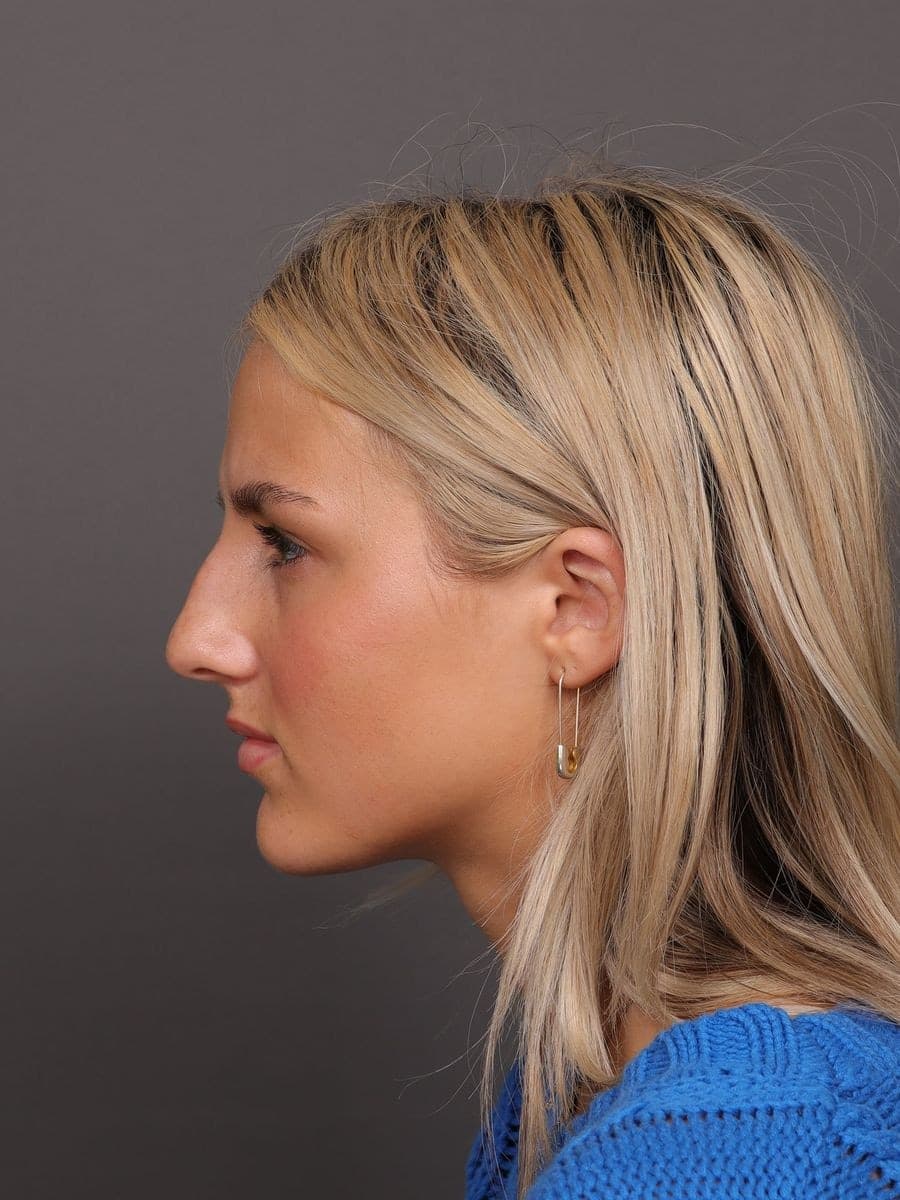
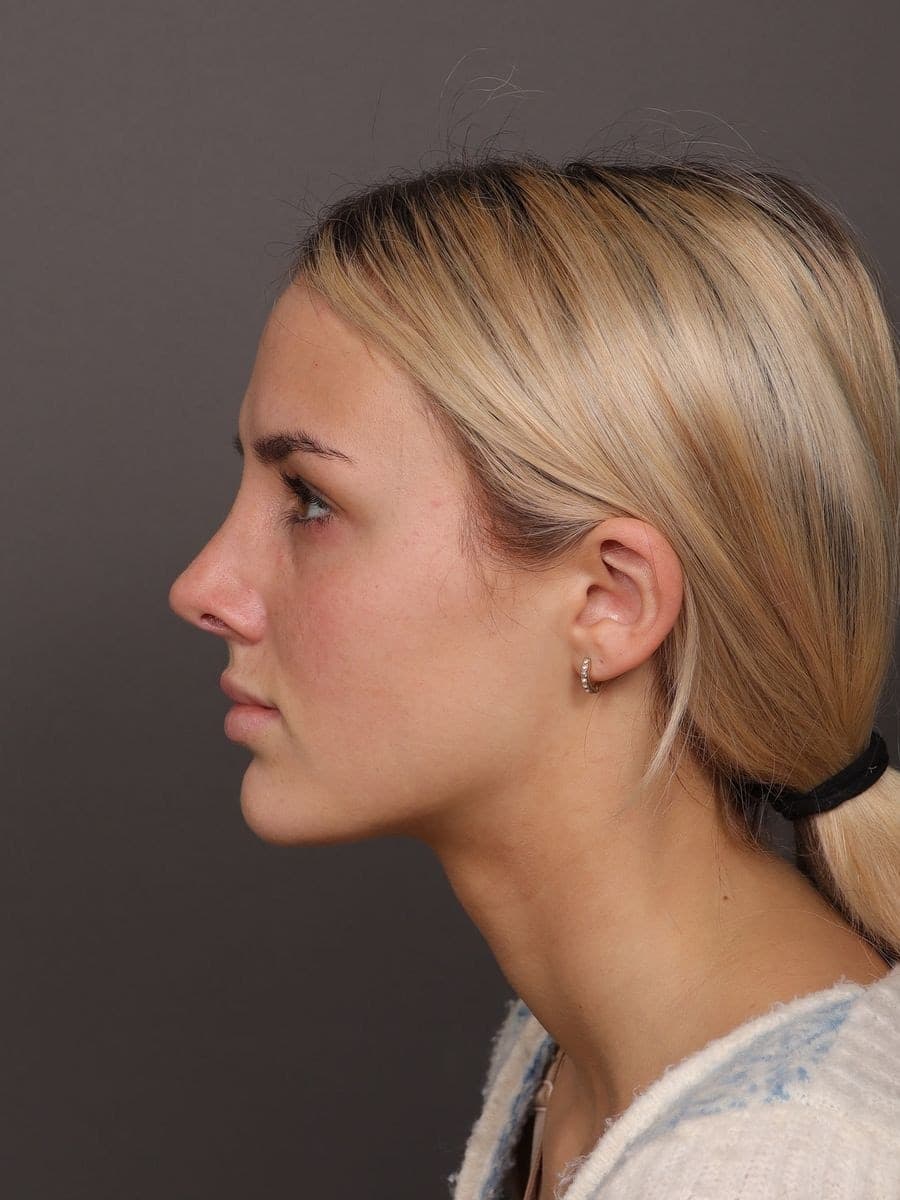
Request a ConsultationAlar base reduction — performed using a technique called weir excisions — is a surgical procedure that narrows the base of the nostrils by removing small wedges of skin from the crease at the alar base. It reduces nostril width and the flared appearance of the nostrils. It can be performed as a standalone procedure or alongside rhinoplasty.
The procedure is performed by removing small wedges of skin from the natural crease where the nostril meets the cheek — the alar crease. This reduces the width of the nostril opening and the degree of flare visible from the front and base views. The incisions are placed within the natural crease, where they heal with minimal visibility.
The procedure can be performed awake in the clinic under local anesthesia in less than an hour. No general anesthesia is required. Dr. James Manning performs the procedure in Salt Lake City, Utah.
Good candidates for alar base reduction are patients who feel their nostrils are wide or flared relative to the rest of the nose and face. This is often a structural characteristic rather than something that changes with weight or age — the width of the alar base is determined by the underlying anatomy.
Alar base reduction is not the right tool for every nostril concern. Asymmetry or size discrepancy that originates from the cartilage framework of the nose — rather than the soft tissue base — is better addressed through rhinoplasty. Filler is not an effective treatment for nostril width or asymmetry.
For patients undergoing rhinoplasty, alar base reduction is sometimes indicated when the nostrils remain wide relative to the refined bridge and tip. It is a separate maneuver and is only performed when the anatomy calls for it.
Both address the nose, but they work on different anatomy. Alar base reduction treats the soft tissue at the base of the nostrils; rhinoplasty treats the cartilage and bone framework of the nose. Some patients need one, some need both.
| Alar Base Reduction | Rhinoplasty | |
|---|---|---|
| What it treats | The soft tissue at the base of the nostrils — width and flare. | The cartilage and bone framework of the nose — bridge, tip, and structure. |
| Best suited to | Wide or flared nostrils that are a structural feature of the soft tissue base. | Asymmetry or size discrepancy that originates from the cartilage framework. |
| Anesthesia / comfort | Awake, under local anesthesia, in the clinic. | Typically performed under anesthesia in an operating room setting. |
| The result | Narrower, less flared nostrils, with incisions healing in the natural crease. | A refined bridge and tip, sometimes leaving the nostrils relatively wide. |
The goal of alar base reduction is a nose that reads in proportion, not a narrower nose that looks operated on:
Alar base reduction is most commonly performed alongside rhinoplasty. When the bridge is reduced and the tip refined, the base of the nose can appear wider in proportion — alar base reduction addresses that relationship directly. It is performed through the same visit and adds minimal additional recovery.
It can also be performed as a standalone procedure for patients who are satisfied with their nose overall but want to address nostril width specifically.
Day 0
Procedure day
Performed awake in the clinic in less than an hour. Home the same day.
Days 4–5
Sutures removed
Sutures at the alar crease are removed at four to five days.
Weeks 1–2
Swelling resolves
Swelling at the base of the nostrils is expected and resolves on its own.
1–2 weeks
Comfortable in public
Most patients are comfortable in public at one to two weeks.
Lasting
Result is permanent
The tissue removed does not return — the change in width and flare is lasting.
Dr. James Manning is double board-certified by the American Board of Facial Plastic and Reconstructive Surgery and the American Board of Otolaryngology–Head and Neck Surgery. He specializes exclusively in the face. Alar base reduction is a procedure Dr. Manning is known for — performed regularly both as a standalone procedure in the clinic and in combination with rhinoplasty.
Medically reviewed by Dr. James Manning, MD · July 2026
Alar base reduction — performed using weir excisions — is a surgical procedure that narrows the base of the nostrils by removing small wedges of skin from the alar crease. It reduces nostril width and the flared appearance of the nostrils, with incisions placed in the natural crease where they heal with minimal visibility.
No. Filler does not reduce nostril width or correct flare. It is not an effective treatment for alar base concerns, and attempting to address nostril size with filler can produce unnatural results.
The incisions are placed within the natural alar crease, where scars tend to heal well and remain inconspicuous. In a retrospective study of 124 patients over 20 years, wedge excision techniques were consistently effective, with incision placement in the alar-facial groove producing the best scar outcomes. (Kridel RW, Castellano RD. Arch Facial Plast Surg. 2005; PMID 15781717)
Yes — and it often is. When the bridge is reduced and the tip refined, the alar base can appear wider in proportion. Alar base reduction addresses that relationship and is performed through the same visit with no meaningful additional recovery.
Yes. It is performed awake under local anesthesia in the clinic in less than an hour. No general anesthesia is required.
Sutures are removed at four to five days. Swelling at the base of the nostrils resolves within one to two weeks. Most patients are comfortable in public at one to two weeks.
Yes. The tissue removed does not return. The change in nostril width and flare is lasting.
If you would like to discuss your nostrils or nasal base, we would love to see you in consultation to determine if alar base reduction would fit your needs.
Inquire About Consultations801·317·8687