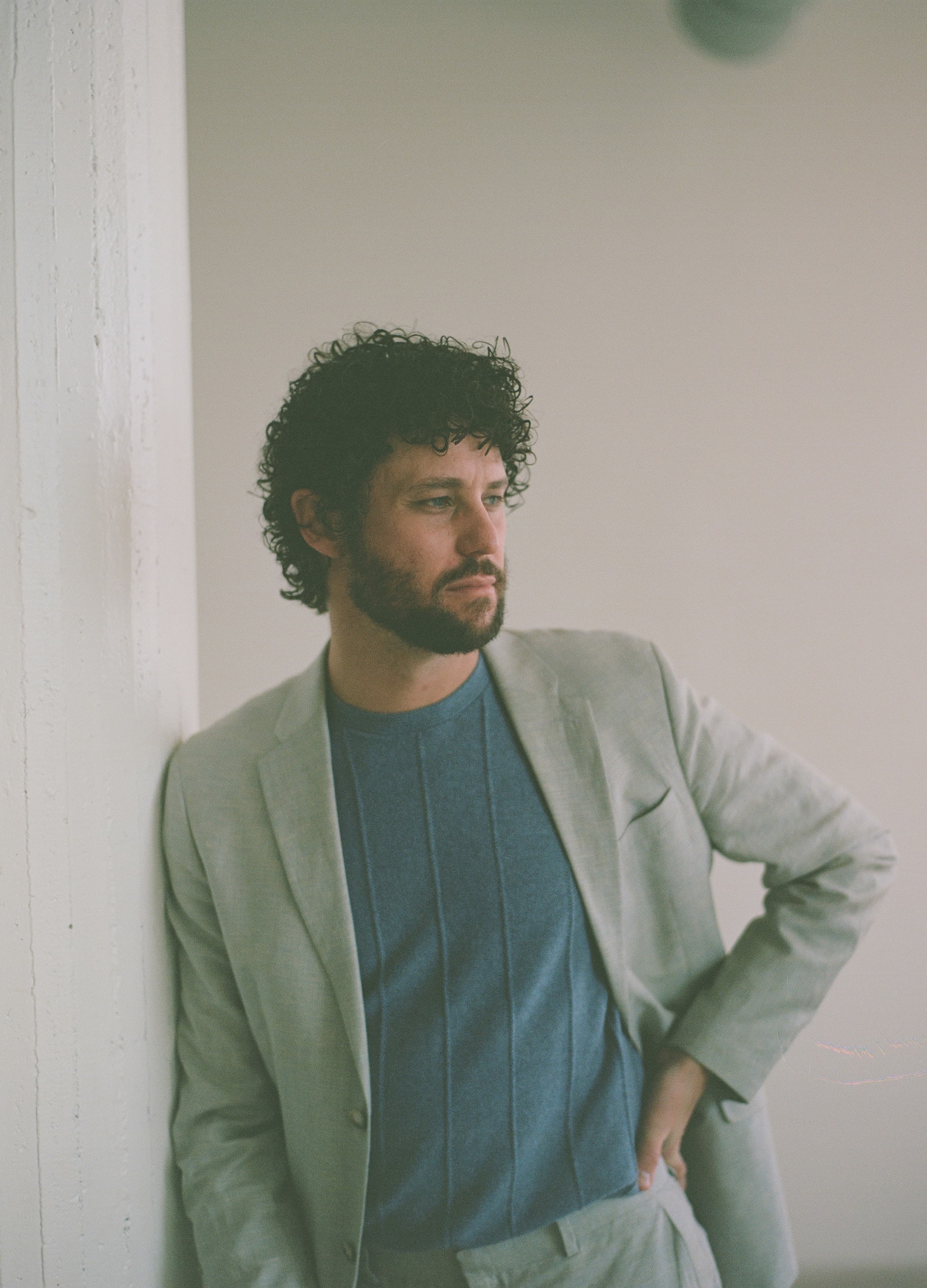
I actually shied away from the idea of performing cosmetic procedures early in my training, because of the stereotypes associated with working in the realm of aesthetics. One thing led to another, and I found myself enamored with the technical aspects of cosmetic surgery of the face. I think it is the creativity in planning and executing procedures — and the clearly visible product of my labor — that resonates with me.
“First, do no harm,” a phrase often associated with the Hippocratic tradition, speaks to the obligation to use knowledge to heal rather than hurt. I often grapple with the obligation to avoid not only physical but psychological harm. Is someone harmed by suddenly perceiving a flaw in themselves in response to marketing, a before-and-after, or a trending procedure? What messaging do I want my children to see as it pertains to their physical appearance?
Adults have the right to make informed decisions about their own bodies, and there is no universal right or wrong when it comes to aesthetic change. There is, however, a difference between responding to a patient's desire to undergo a procedure and creating that desire. My wife, Lexi, and I talk about this constantly, and I rely on her heavily to guide my messaging.
One big shift for me has been removing the word “beautiful” from my vocabulary. Who am I to tell a patient how to achieve attractiveness?
Beauty's requisite qualities vary greatly between individuals. I feel much more comfortable focusing on a patient's concerns and the surgical solutions to address the anatomy and structure behind them.
As surgeons, we walk a fine line. We educate. We offer solutions. We show possibilities. But we must constantly examine whether our messaging empowers patients or subtly manufactures insecurity.